Home
Biography
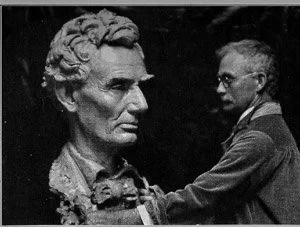
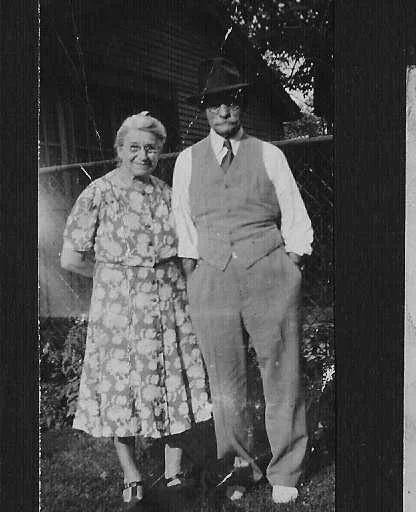
Leonard Crunelle was a French-born American sculptor whose sensitive portraiture and public monuments helped define Midwestern American sculpture in the early 20th century. Born on July 8, 1872, in Lens, France, he immigrated to the United States as a young boy and settled with his family in Decatur, Illinois. His early working life was unremarkable—he held jobs as a miner and laborer—but a chance encounter changed his path forever.
While attending the Decatur Manual Training School, Crunelle came to the attention of celebrated sculptor Lorado Taft, who recognized his natural talent for modeling. Taft brought the young Crunelle to Chicago, where he became both a student and an assistant at the Art Institute of Chicago. Under Taft’s mentorship, he developed the refined, expressive style that would come to characterize his mature work.
Crunelle quickly earned recognition for his skill in portraiture, especially of children, capturing subtle emotional and physical nuance. His growing reputation led to commissions for public monuments across the United States. Among his most notable works are:
The Victory Monument (Chicago, 1927), dedicated to the African American soldiers of the 8th Regiment in World War I
The Fountain Girl (Chicago, 1921), for the Women’s City Club
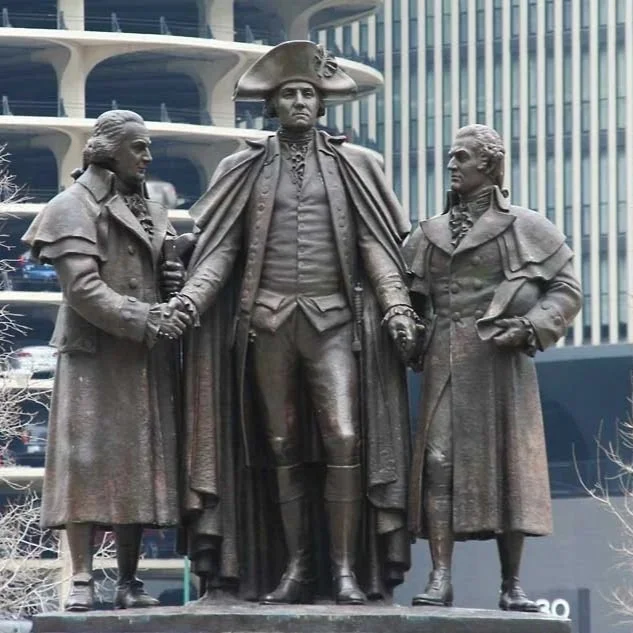
Heald Square Monument (Chicago, 1941) George Washington shakes hands with Robert Morris and Hyam Salomon Morris, both considered the major financiers of the American Revolution
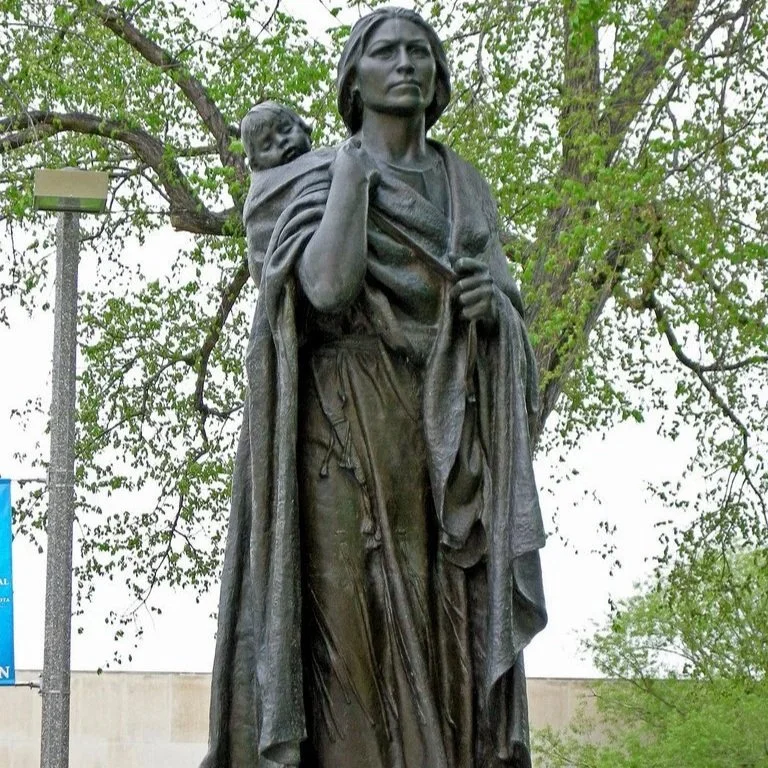
Sakakawea, (US Capitol Building, 1910)
Throughout his career, Crunelle maintained a strong connection to the Chicago art community. He taught modeling classes at the Art Institute and participated in regional exhibitions, becoming a respected voice among Midwestern sculptors.
Leonard Crunelle passed away on February 3, 1944, in Chicago. Though often quieter in temperament than some of his contemporaries, his contributions endure in the parks, plazas, and institutions that continue to display his work. His sculptures remain celebrated for their emotional clarity, technical mastery, and human presence—an artistic legacy that still resonates today.
Leonard Crunelle (1872–1944)